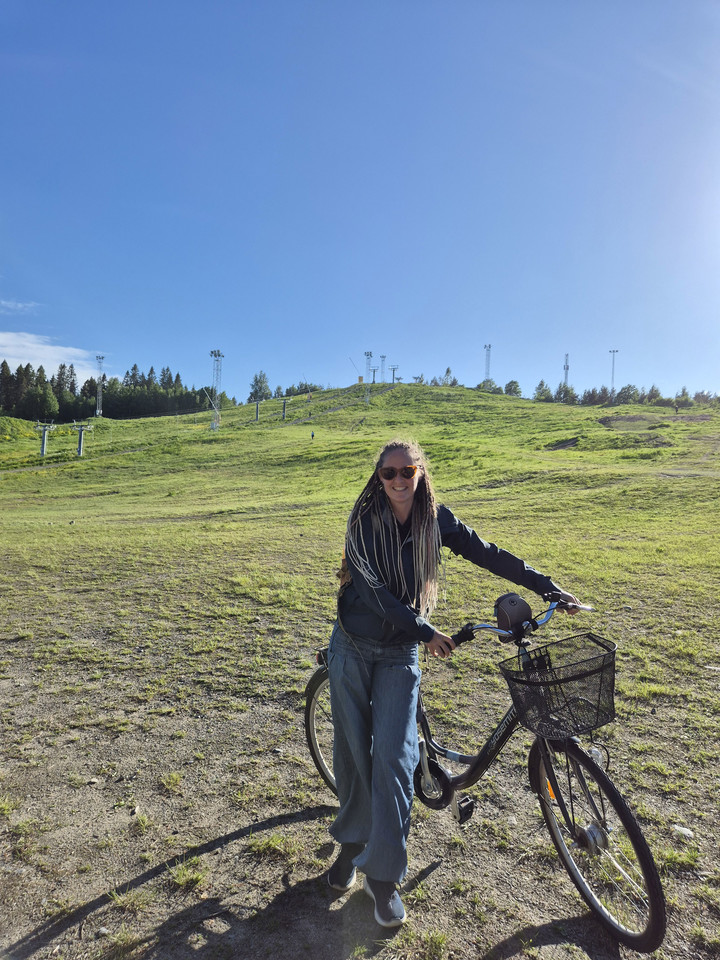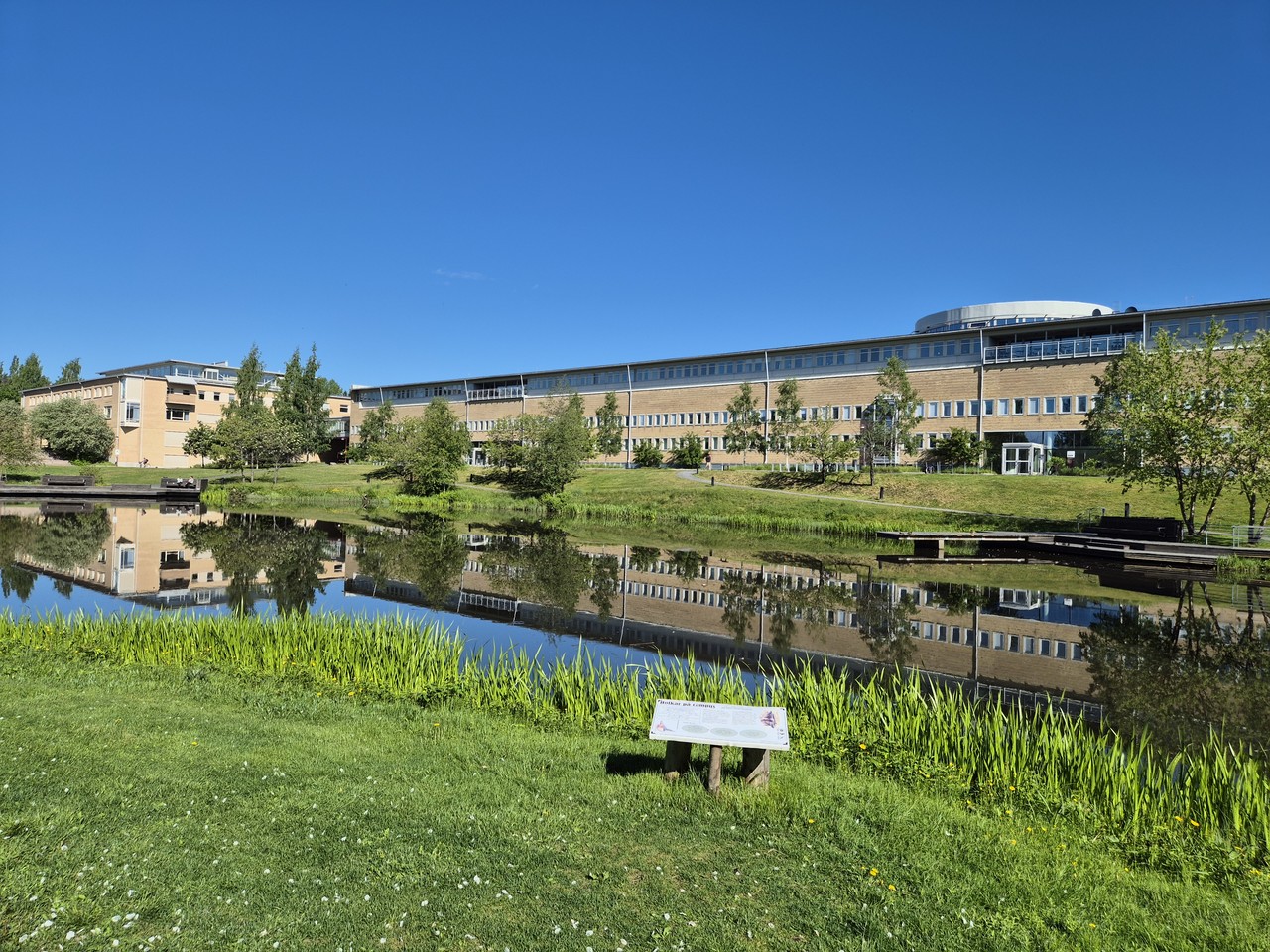
In June 2026, Mgr. Zuzana Gonosová, Ph.D., from the Department of Natural Sciences in Kinanthropology at the Faculty of Physical Culture, Palacký University Olomouc, completed an Erasmus+ staff mobility at Umeå University in Sweden. The primary aim of the visit was to expand her expertise in biomechanics, functional assessment, and factors influencing the return to physical activity following injury, with a particular focus on fear of movement (kinesiophobia).
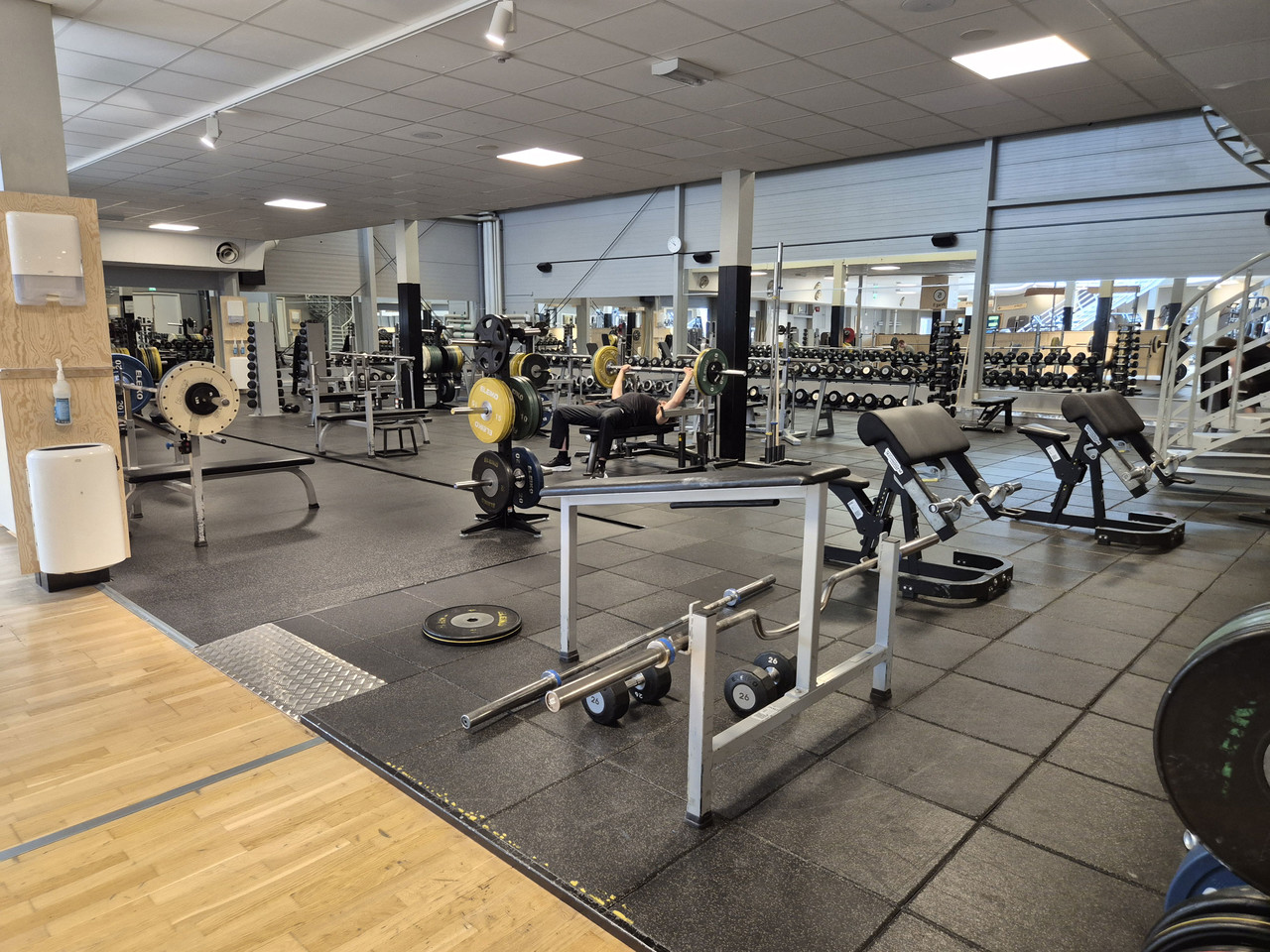
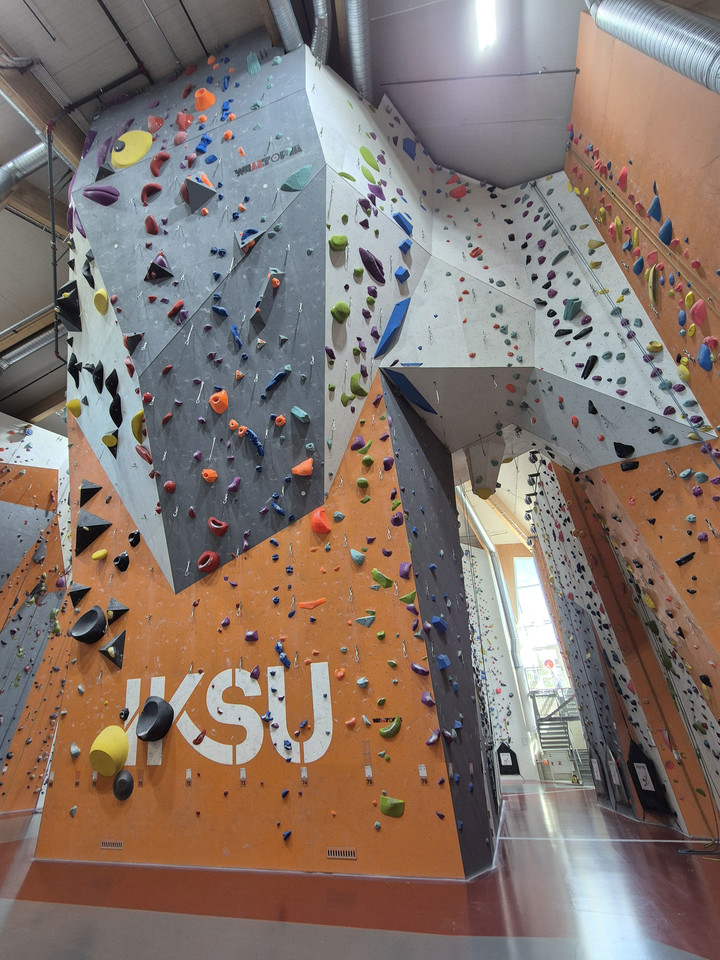
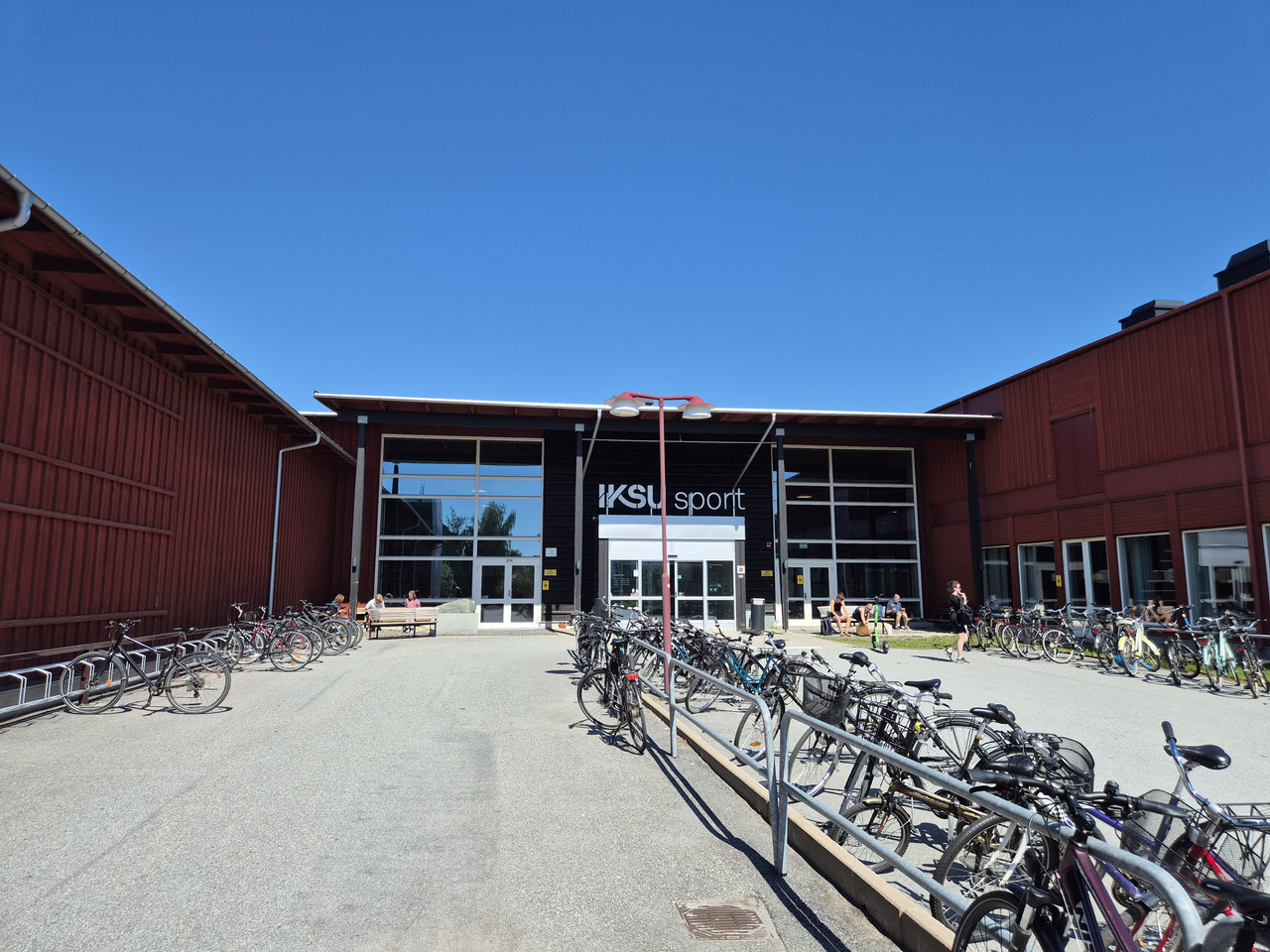
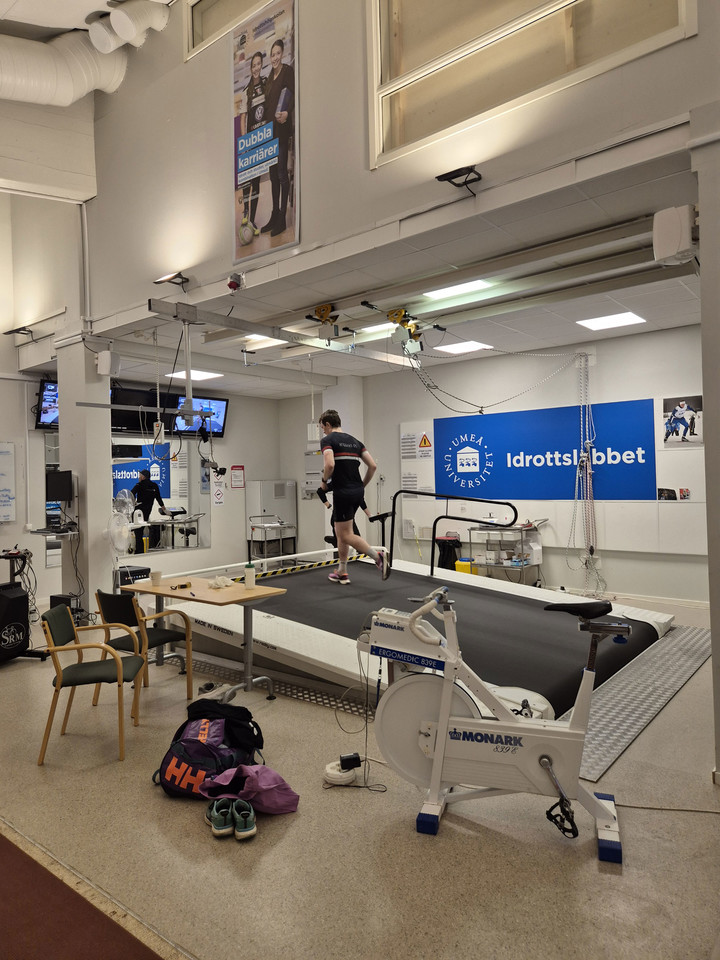
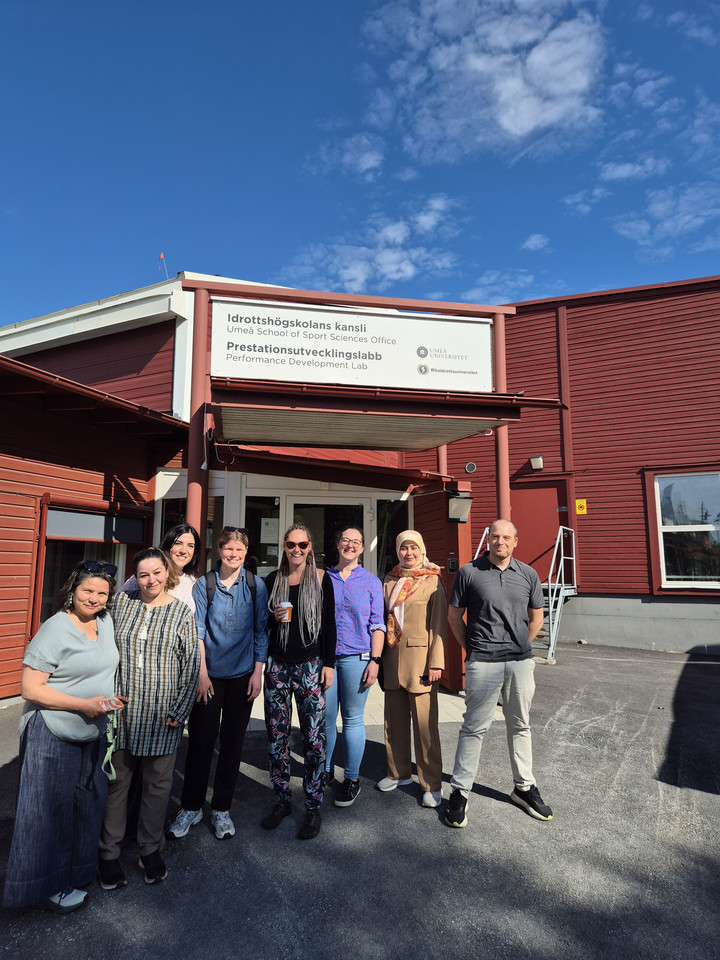
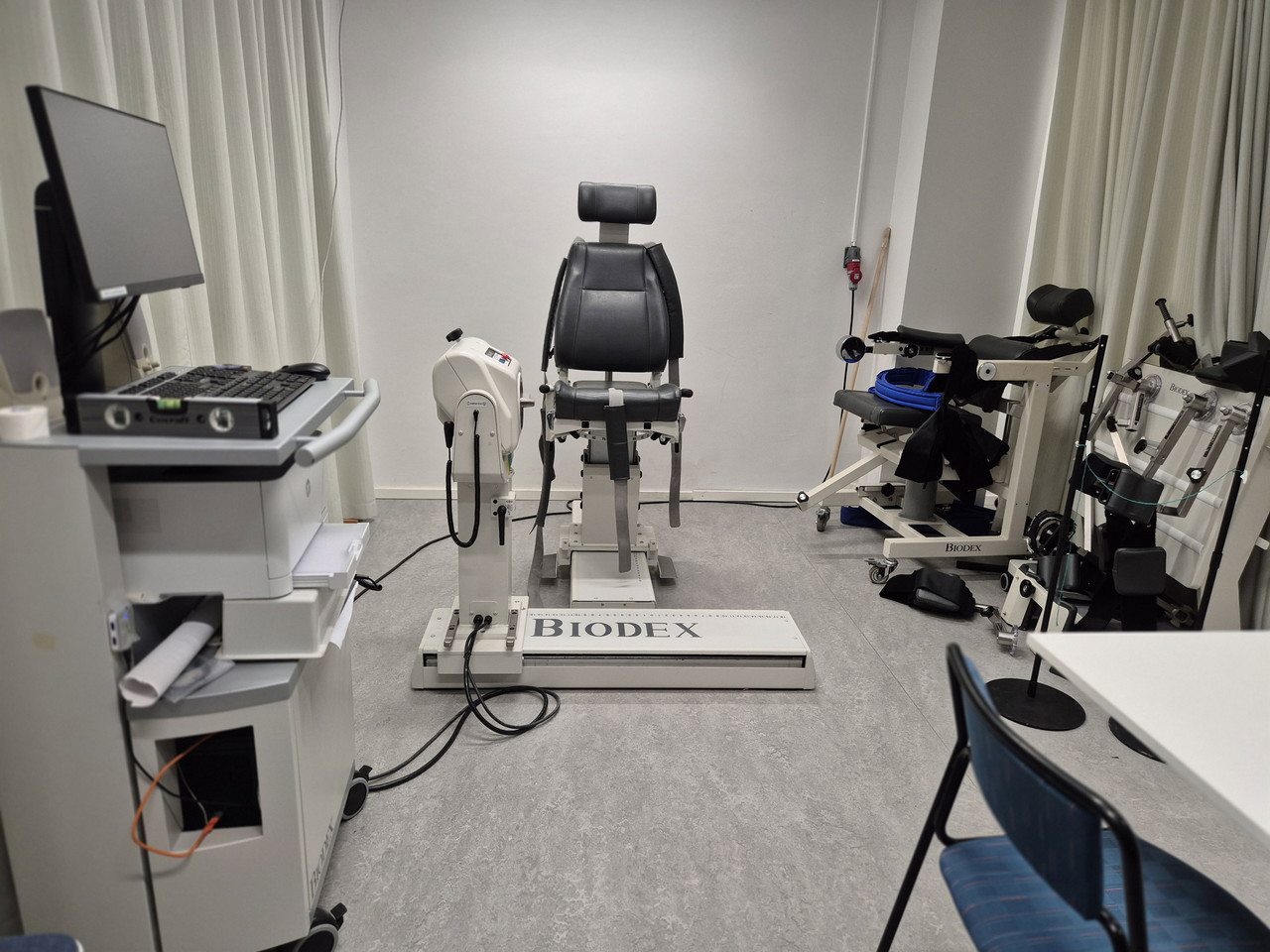
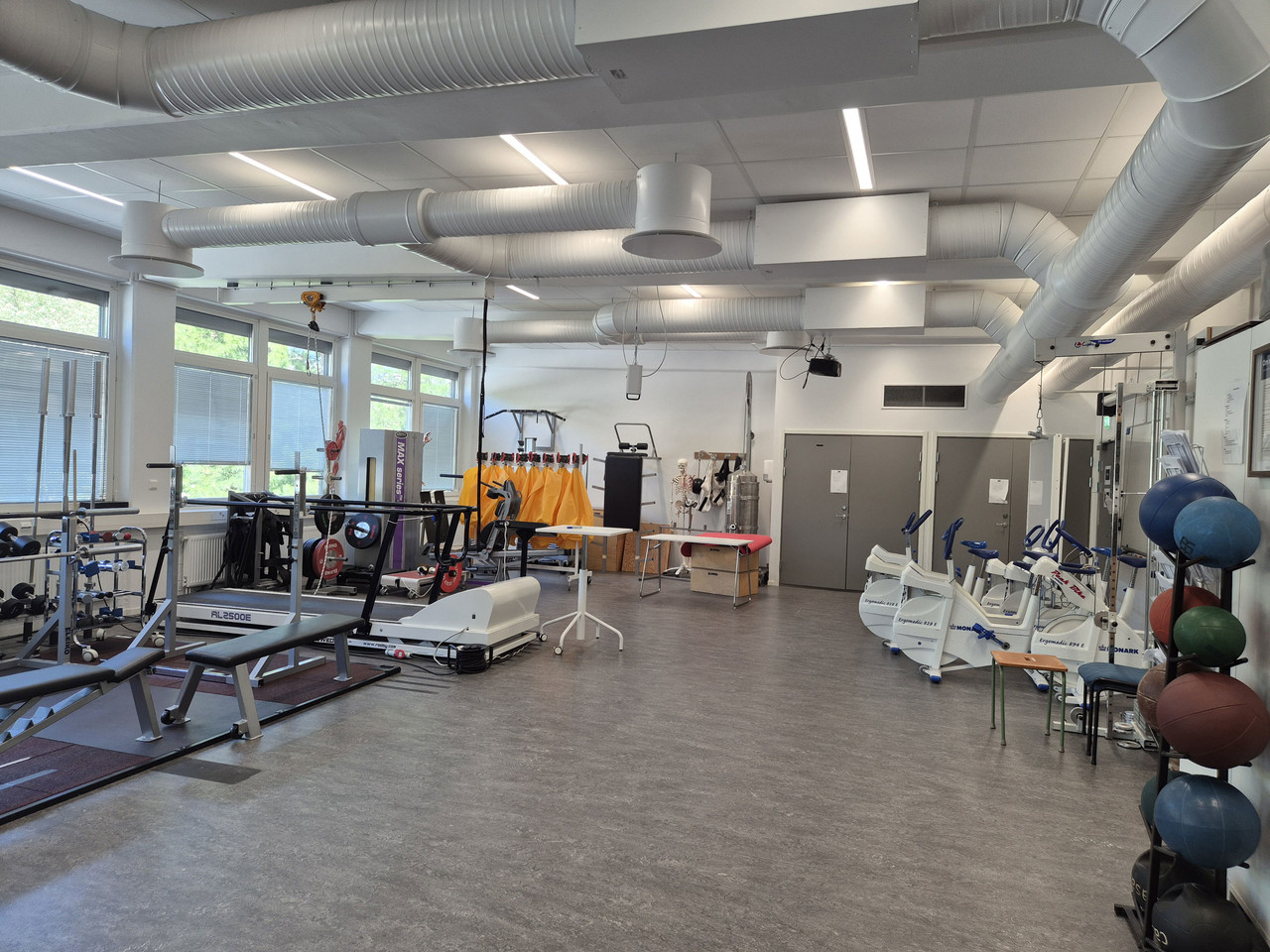
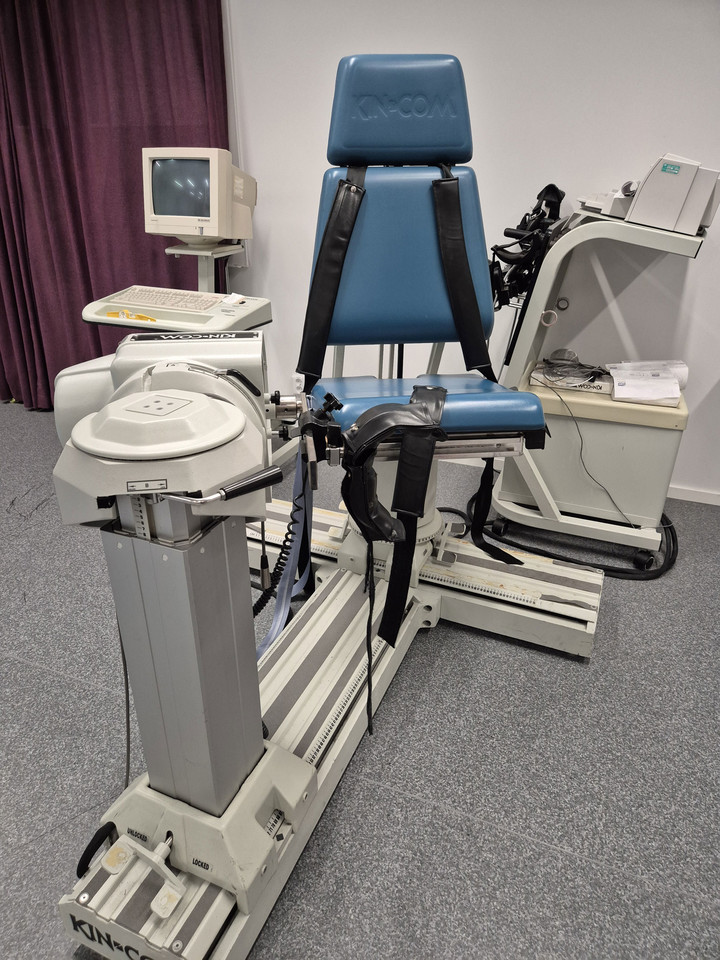
The mobility programme included visits to several research facilities, namely UMeHealth Lab, UMEX Lab, U-Motion Lab, and the Performance Development Lab, which focuses on the assessment, monitoring, and enhancement of elite athletic performance. These visits provided valuable insight into current methodological approaches used in research on human movement, sports performance, health, and return to physical activity after injury. The programme featured demonstrations of research protocols, presentations of laboratory equipment, and discussions on their application in both research and practice. Another part of the mobility was a visit to IKSU, one of the largest sports and physical activity centres in Scandinavia. Particularly inspiring was the opportunity to learn about the integration of the university environment with the promotion of physical activity and healthy lifestyles across all age groups.
A significant component of the mobility involved collaboration with Dr Adam Grinberg from the Department of Community Medicine and Rehabilitation. Professional discussions focused primarily on fear of movement, return to physical activity following lower-limb injury, and methodological approaches to assessing these phenomena. These topics are closely related to the Czech Science Foundation (GA CR) project currently led by Zuzana Gonosová, which investigates the relationship between fear of movement, physical activity, and functional fitness in individuals with a history of lower-limb injury. Considerable attention was devoted to exploring ways of integrating biomechanical, functional, and psychological indicators in the assessment of individuals recovering from injury. Dr Grinberg's long-term research focuses particularly on patients recovering from anterior cruciate ligament (ACL) injuries. His current work also includes the development of preventive and rehabilitation programmes using specialised moving platforms that create controlled unstable conditions to train balance, coordination, and movement control. The discussions provided numerous valuable ideas and perspectives for the further development of the project and related research activities.
The programme also included seminars on research ethics, scientific publishing, and the sharing of experiences in conducting research projects. An interesting addition to the mobility was participation in a Journal Club session focused on eHealth literacy and the implementation of digital health solutions. Although digital health was not the primary focus of the mobility, it represents a promising area with considerable potential for application in the Czech context, particularly in supporting physical activity, prevention, rehabilitation, and monitoring factors influencing the return to movement after injury.
The knowledge and experience gained during the mobility will be incorporated into both research and teaching activities at the Faculty of Physical Culture, Palacký University Olomouc. They will contribute to the implementation of research projects, academic instruction, and the supervision of student theses in the fields of biomechanics, sports diagnostics, and research methodology. The mobility also strengthened ties between Palacký University and Umeå University, creating opportunities for further international collaboration in research on psychological and physical factors related to movement behaviour, rehabilitation, and return to sport following injury.
In addition to professional insights, Zuzana Gonosová also gained inspiration from the Swedish approach to work and collaboration. During the period of the summer solstice, when the sun barely sets in Umeå, it is impossible not to notice how naturally professional life is intertwined with time spent outdoors and close contact with nature. Another distinctive aspect of Swedish academic culture is the traditional fika—a dedicated time for coffee, informal conversations, and social interaction among colleagues. It was often during these moments that ideas and connections emerged which can sometimes remain elusive during long hours spent in front of a computer. This experience also highlighted that creating space for reflection and sharing can be just as important for high-quality work as productivity itself.