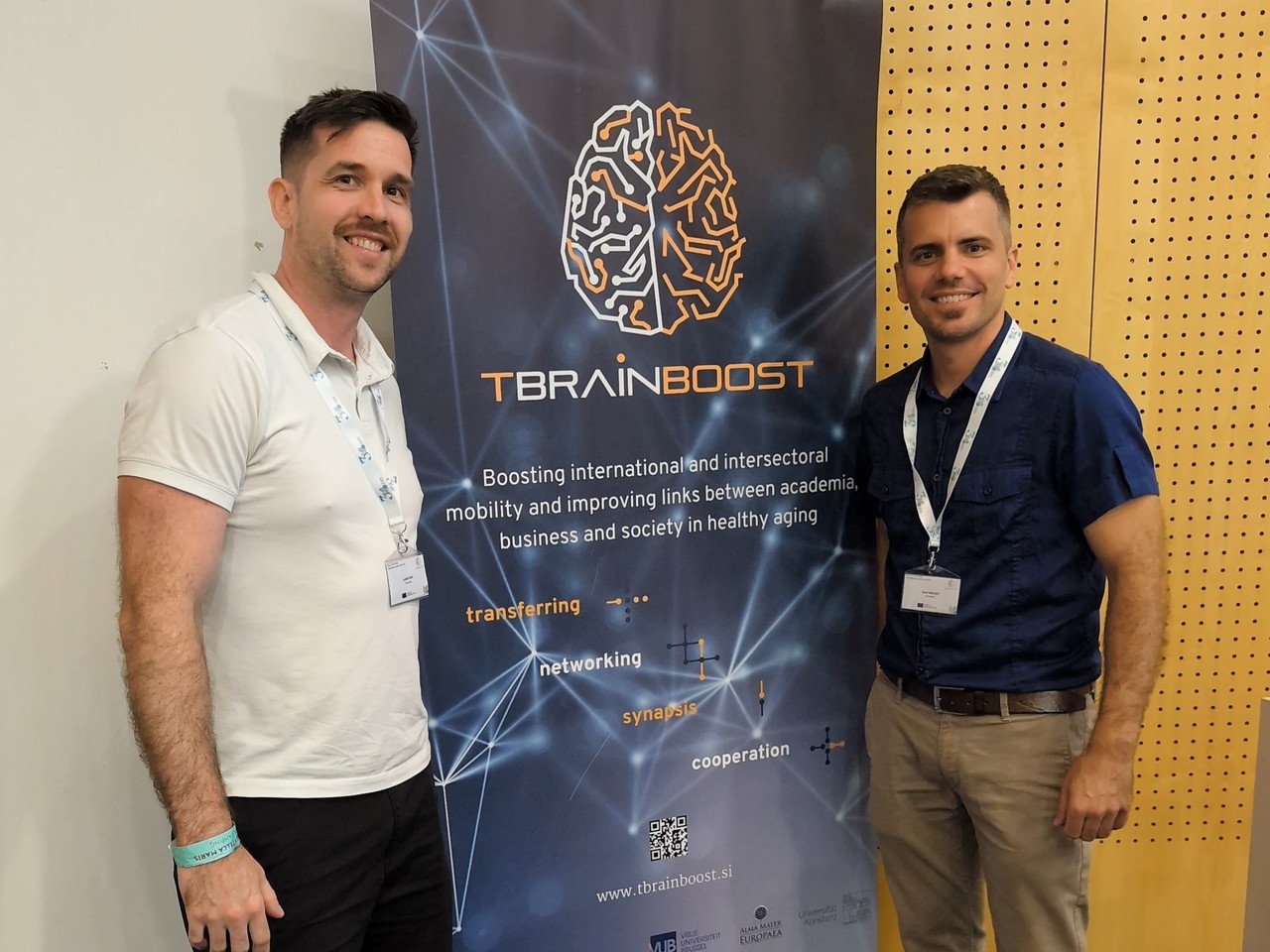
During 15–19 June 2026, Ludvík Valtr (Dept. of Natural Sciences in Kinanthropology) completed an Erasmus staff training mobility in Slovenia, spending time in Koper and Piran. The mobility aimed to expand his expertise in human movement research, neurorehabilitation, and digital health while strengthening international collaboration between the Faculty of Physical Culture at Palacký University Olomouc and leading international research institutions.
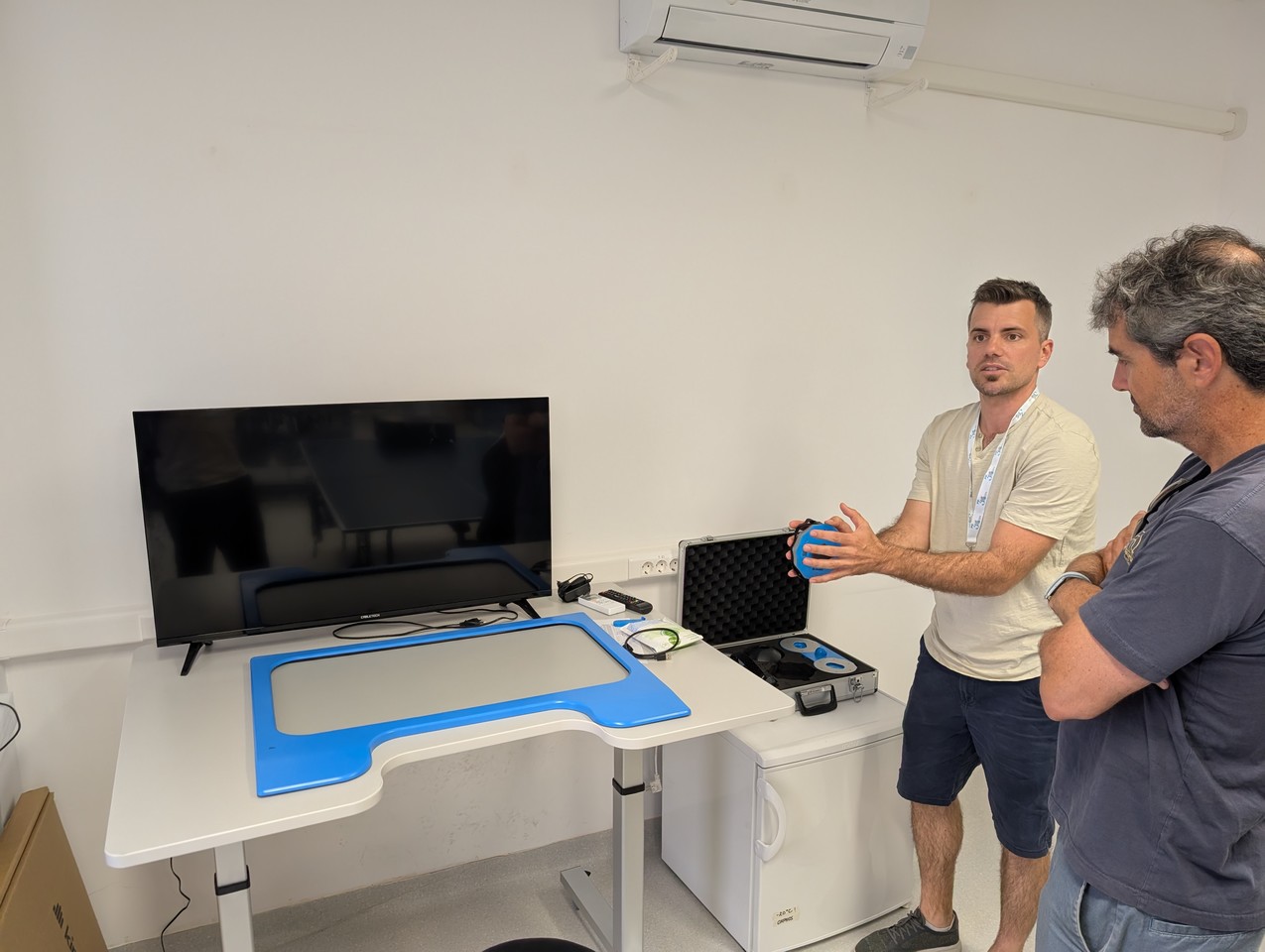
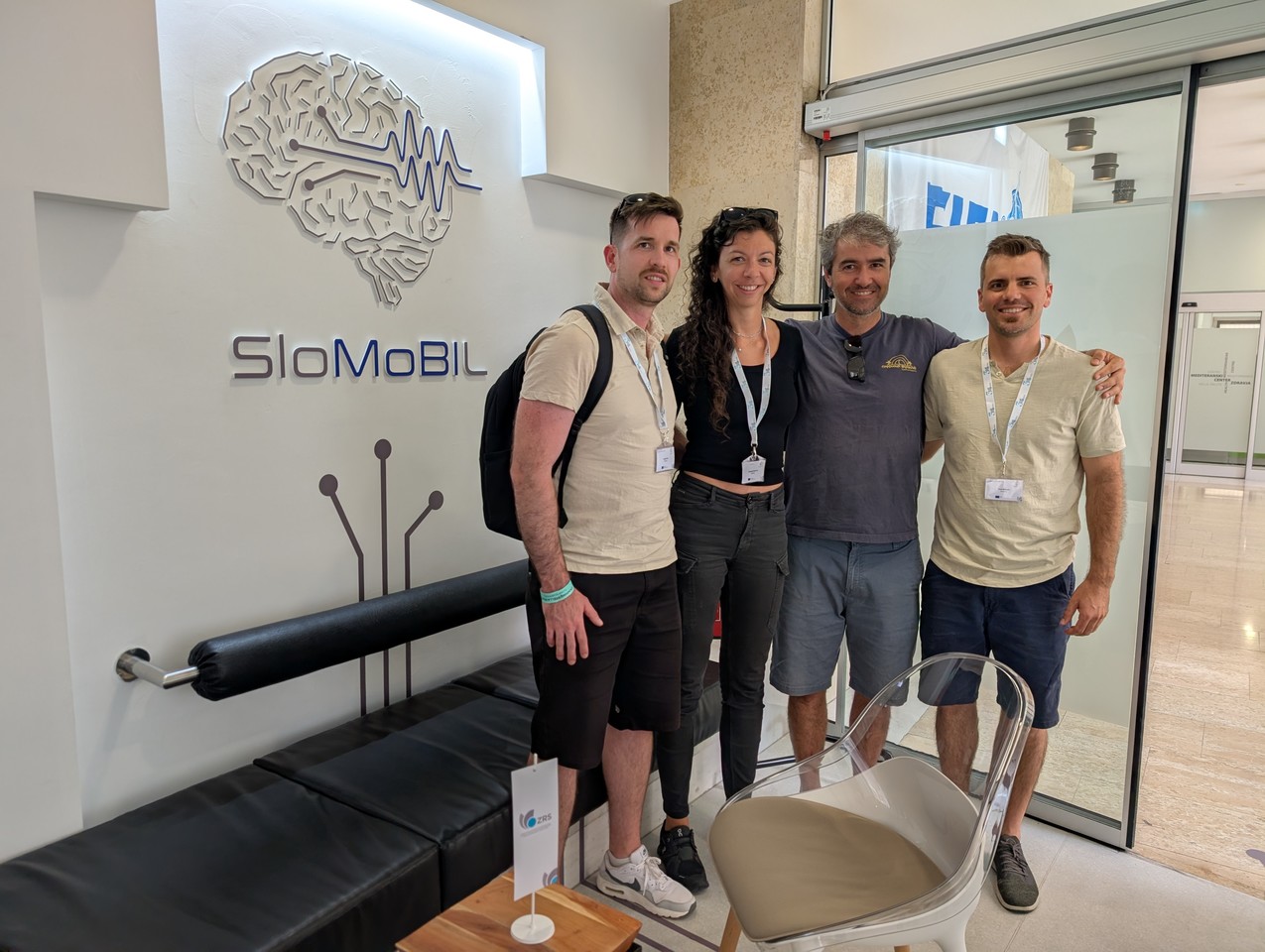
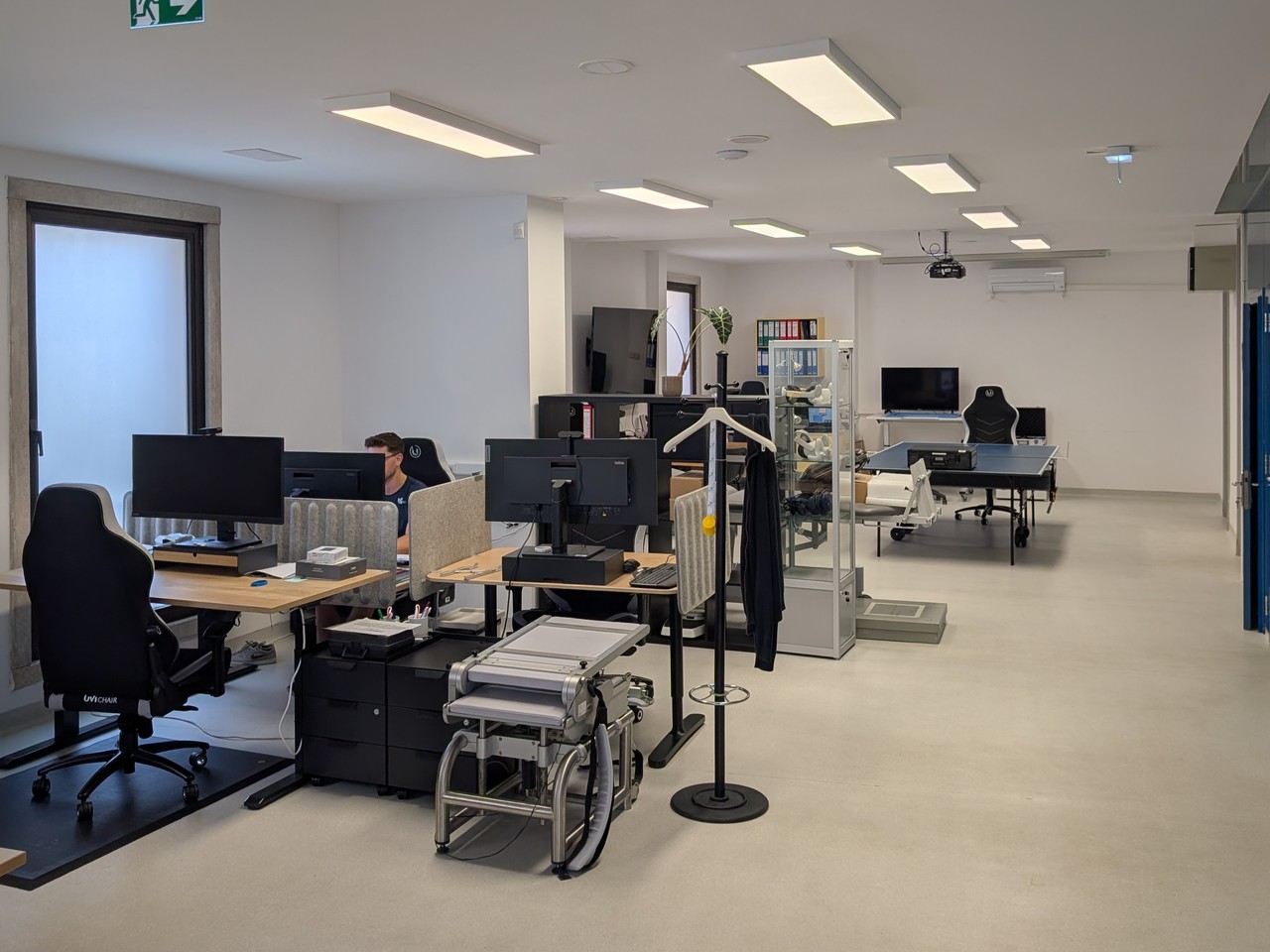
As part of the programme, he visited the Institute for Kinesiology Research at the Science and Research Centre Koper (ZRS Koper). During meetings with Professor Uroš Marušič, discussions focused on opportunities for future collaboration, the exchange of methodological expertise, and identifying common research interests between the Faculty of Physical Culture and ZRS Koper.
A major component of the mobility was active participation in the international TBrainBoost Summer School 3.0, dedicated to innovations in movement neuroscience, neurorehabilitation, and digital health. The programme brought together experts working at the intersection of brain research, human movement, modern technologies, and clinical practice through lectures, hands-on workshops, collaborative projects, and expert discussions.
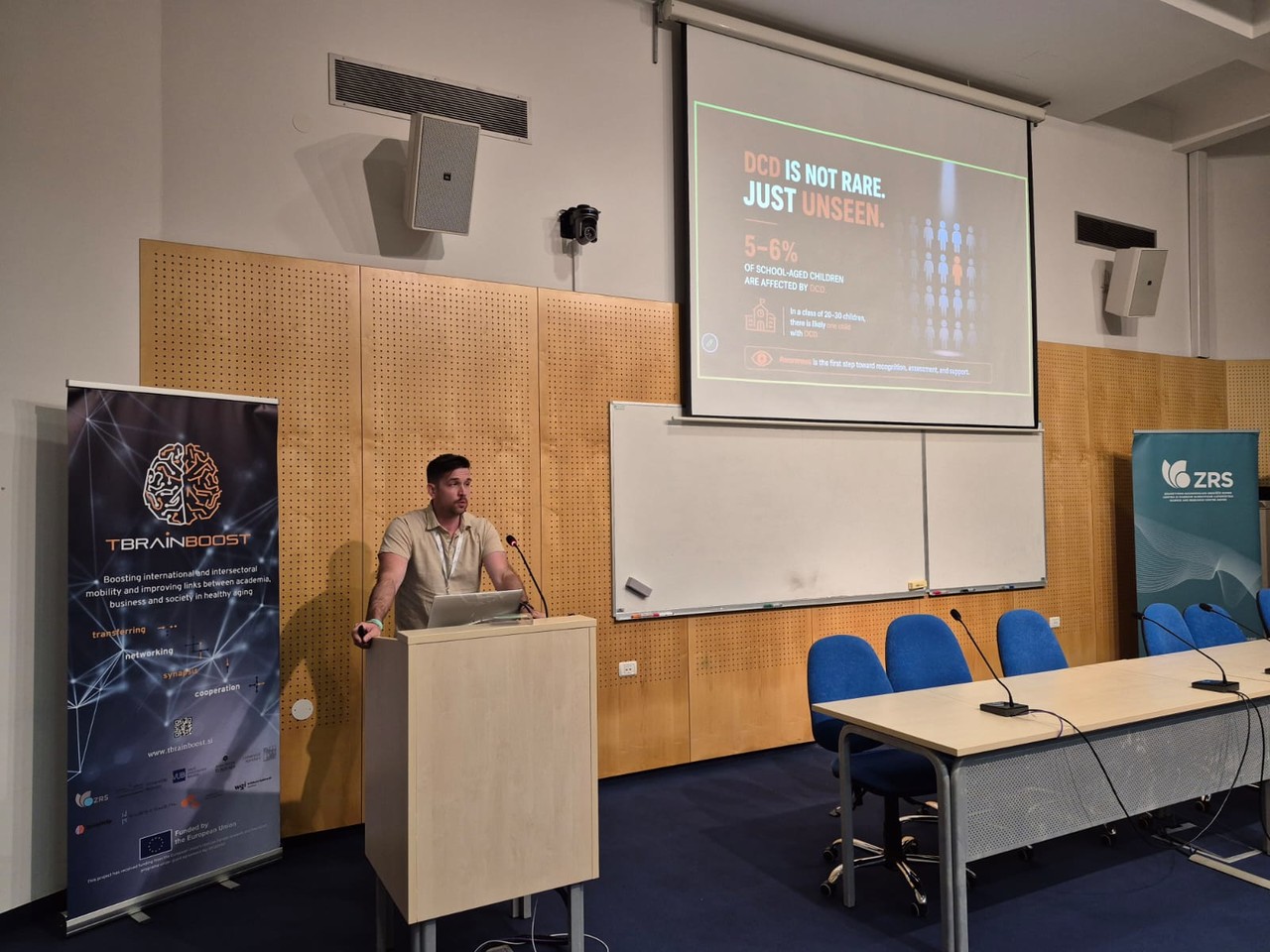
Ludvík Valtr participated not only as an attendee but also as one of the invited speakers. In his presentation, "Raising Awareness of Developmental Coordination Disorder (DCD)," he highlighted the importance of increasing awareness of developmental coordination disorder among both professionals and the general public. He emphasised the need for early identification and appropriate support for children with DCD, who often face significant challenges in everyday motor activities, school environments, and social participation.
He also presented his long-term research on anticipatory postural adjustments in children with DCD, which explores the mechanisms underlying postural preparation before the initiation of goal-directed movements. The presentation stimulated broader discussions on postural control, motor learning, and the translation of research findings into neurorehabilitation practice.
The mobility provided valuable new insights into research on motor development, movement neuroscience, and postural control while facilitating the exchange of expertise with researchers from different countries. Discussions also addressed the use of modern technologies in neurorehabilitation, science communication, and the effective dissemination of research findings to both professional and public audiences.
From an institutional perspective, the mobility further strengthened collaboration between the Faculty of Physical Culture at Palacký University Olomouc and ZRS Koper. The newly established contacts have created opportunities for future joint research and publication activities, as well as for involving students and early-career researchers in international educational and research initiatives.
TBrainBoost Summer School 3.0 also showcased an inspiring educational model that combines expert lectures, practical workshops, teamwork, and networking in an international environment. The experience may serve as valuable inspiration for organising future workshops, summer schools, and doctoral seminars at the Faculty of Physical Culture.
Overall, the Erasmus staff training mobility in Slovenia represented an important opportunity for professional development, the international presentation of the Faculty's research activities, and the further strengthening of international collaboration in the fields of movement research, neurorehabilitation, and developmental coordination disorder.