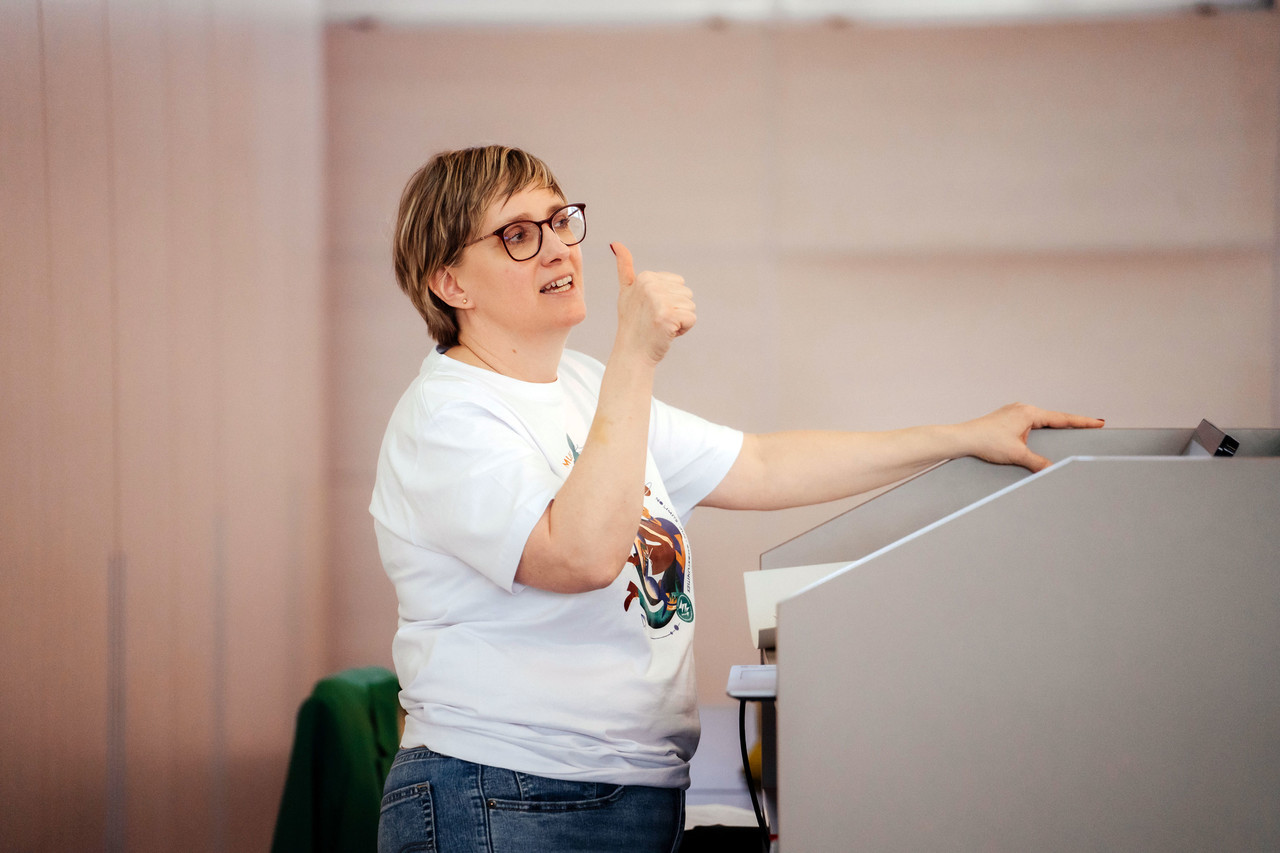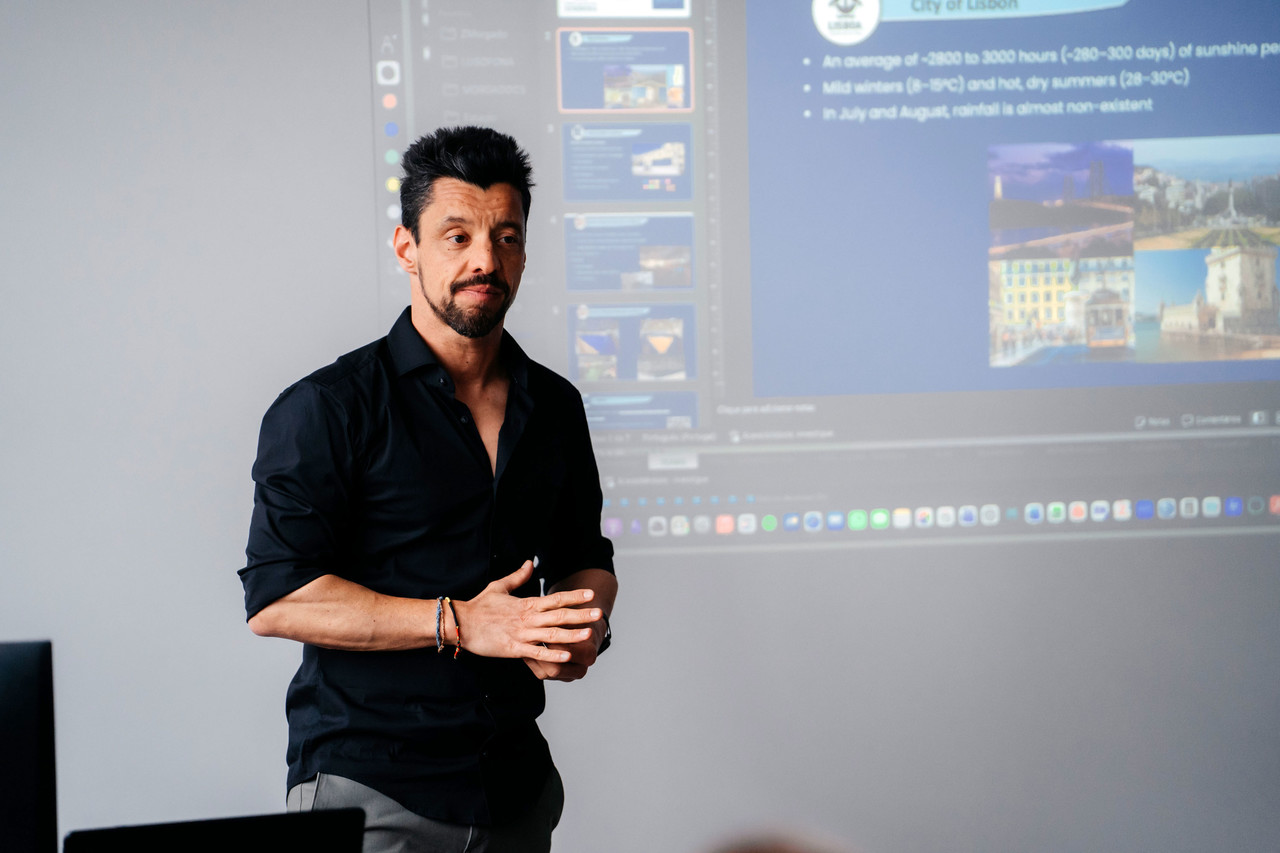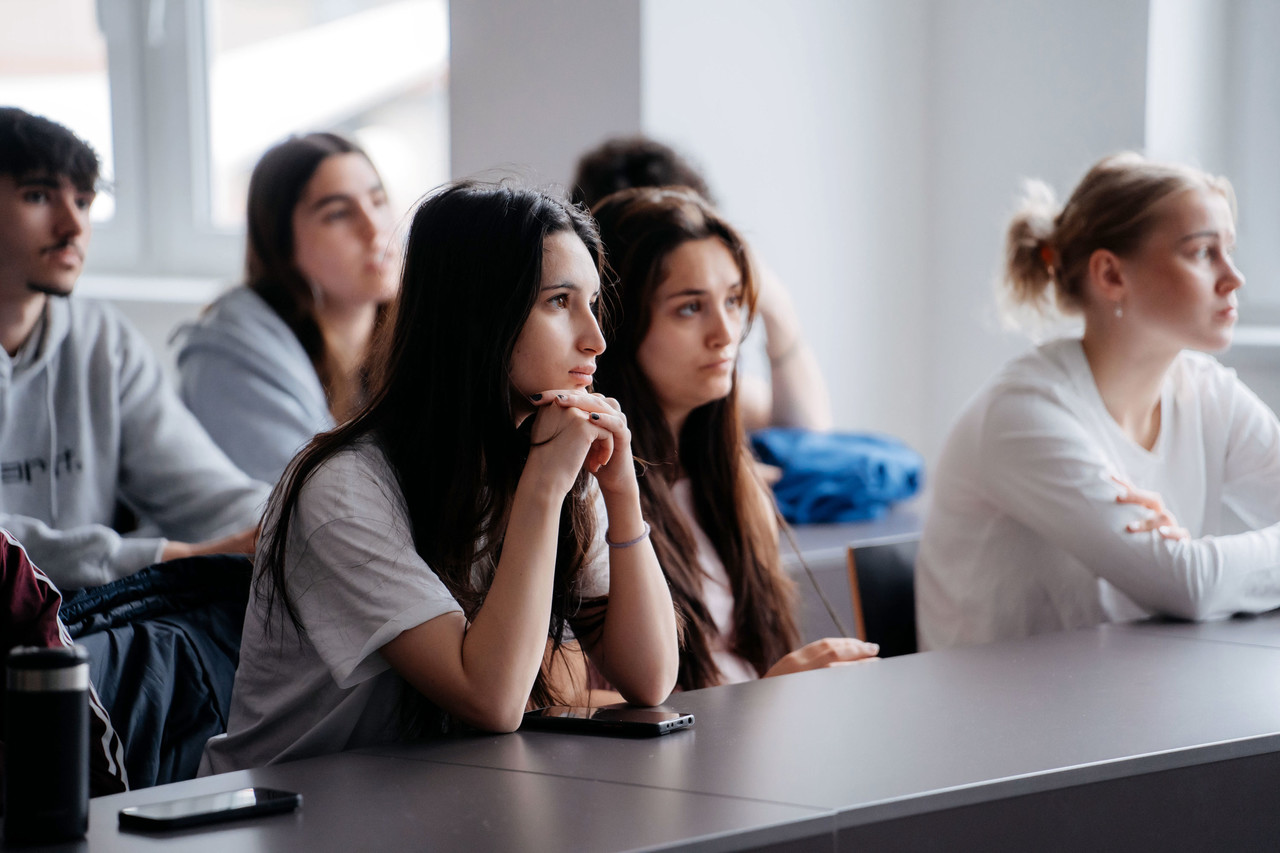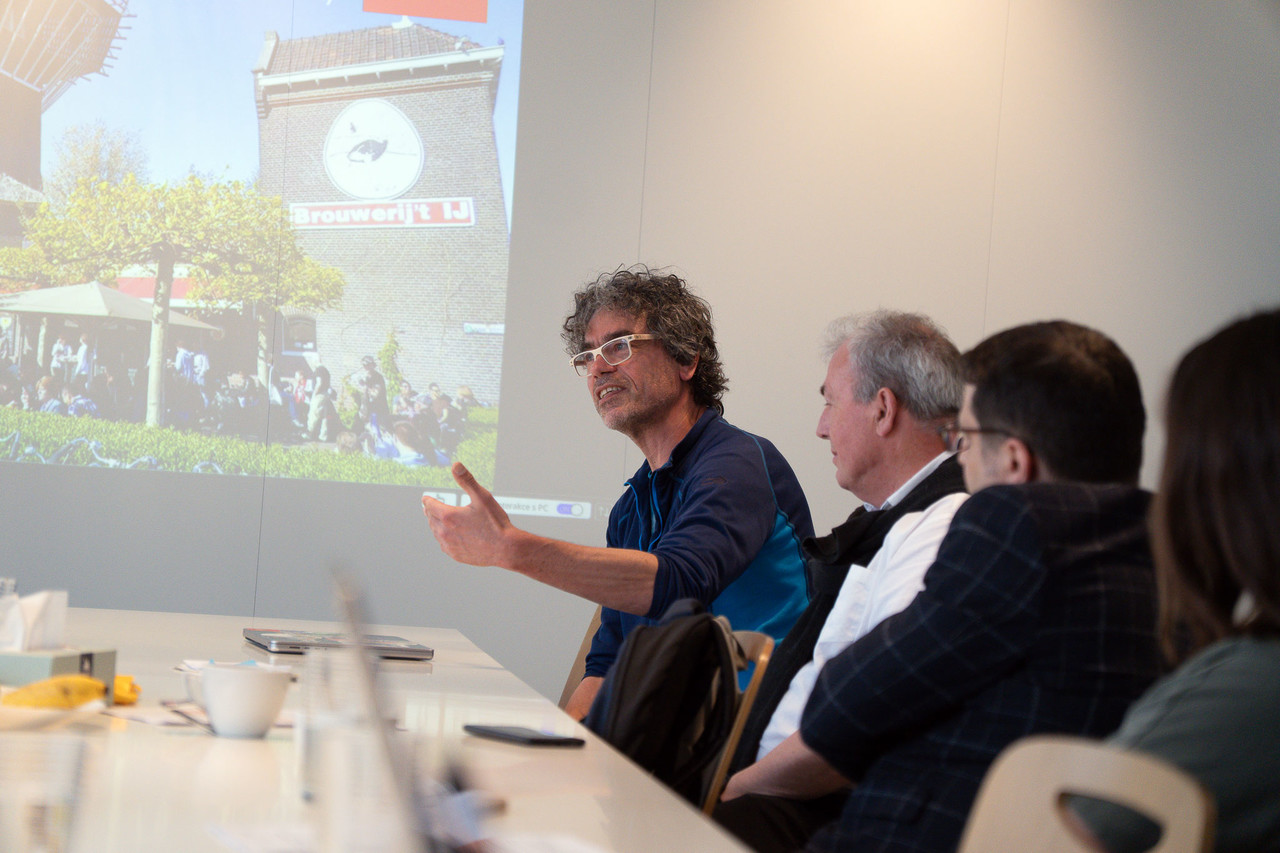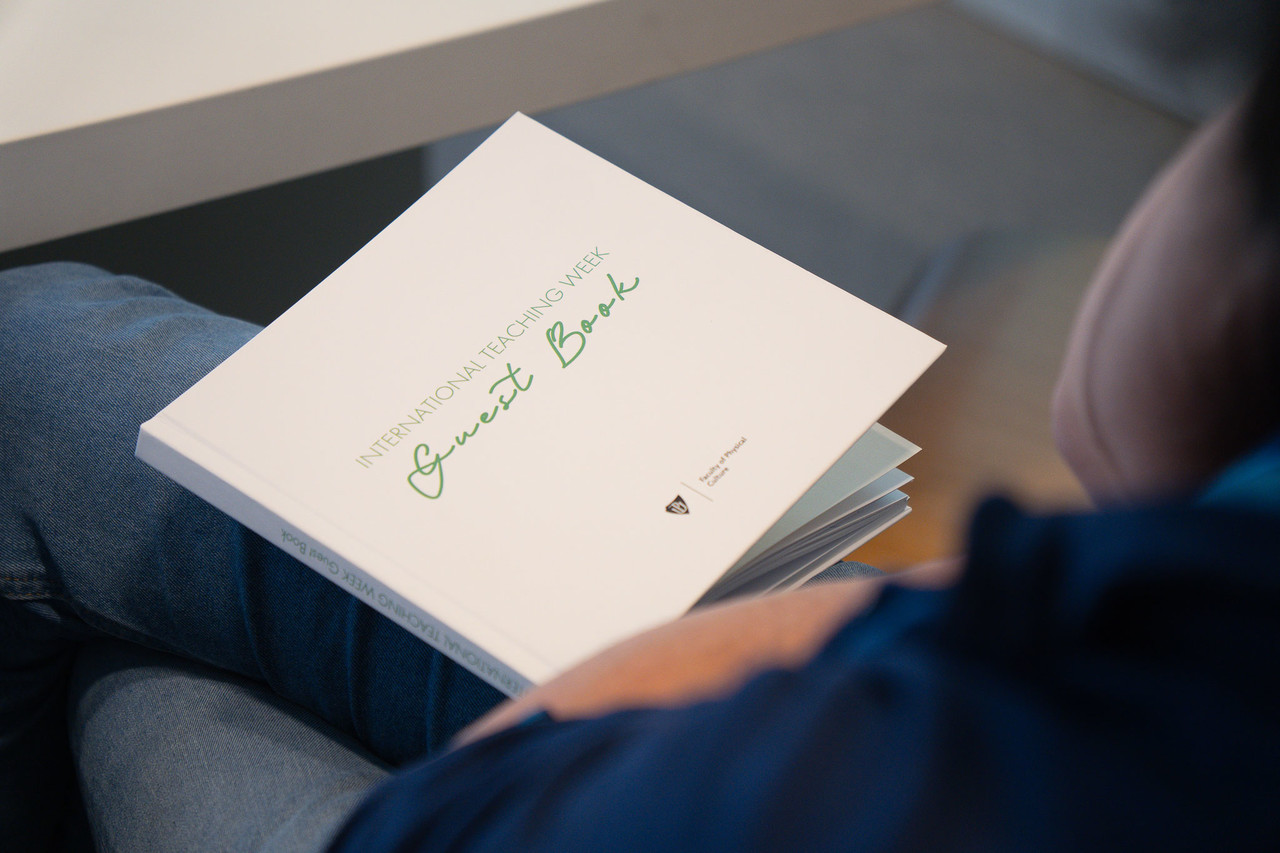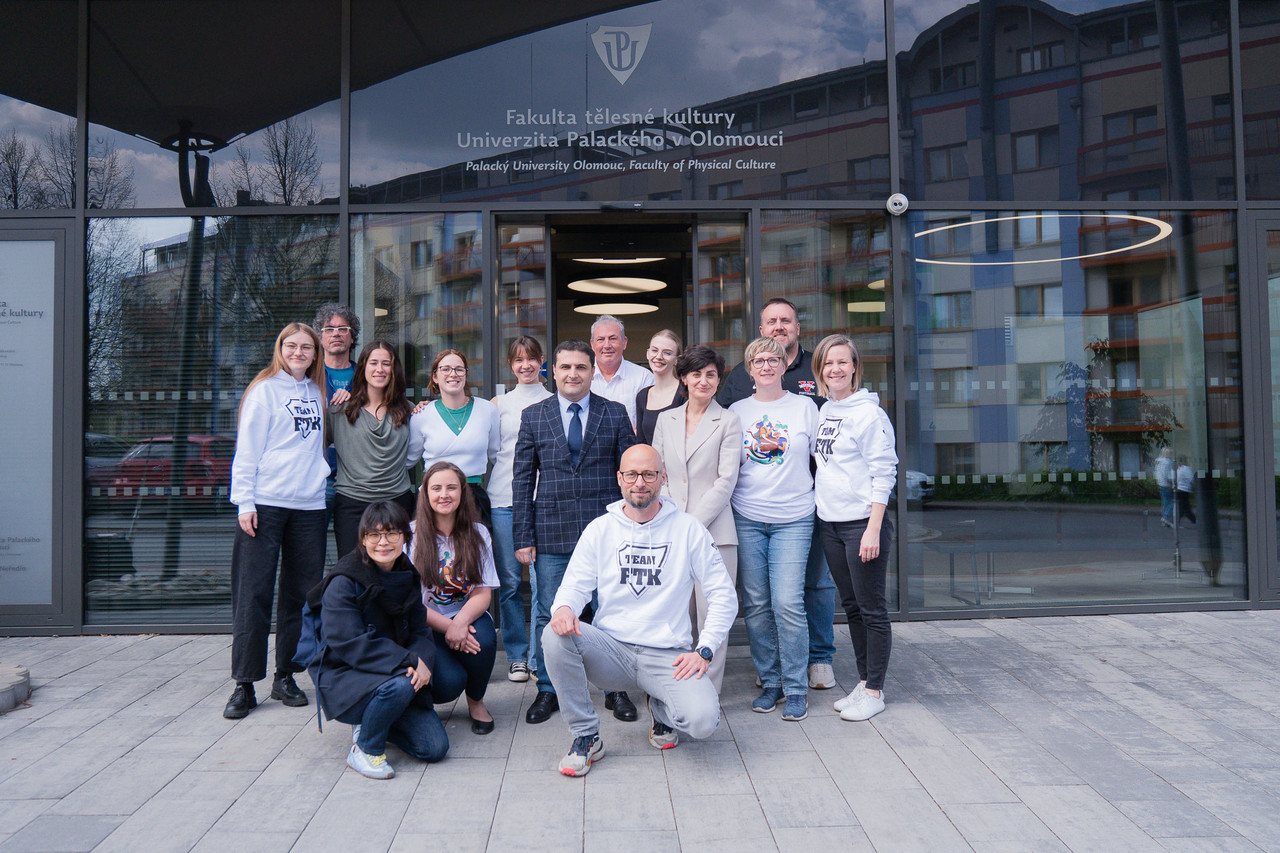
From April 13 to 17, our faculty once again became a centre of international education in Olomouc. This spring, FTK welcomed a record thirteen international guests who, over the course of one week, shared their expertise, experience, and innovative teaching methods with both academics and students across the faculty.
The unusually diverse program featured lectures not only in the fields of sport and physiotherapy, but also introduced topics from psychology, political science, and environmental studies. The emphasis was placed not only on theory, but also on its practical application, allowing participants to gain hands-on experience.
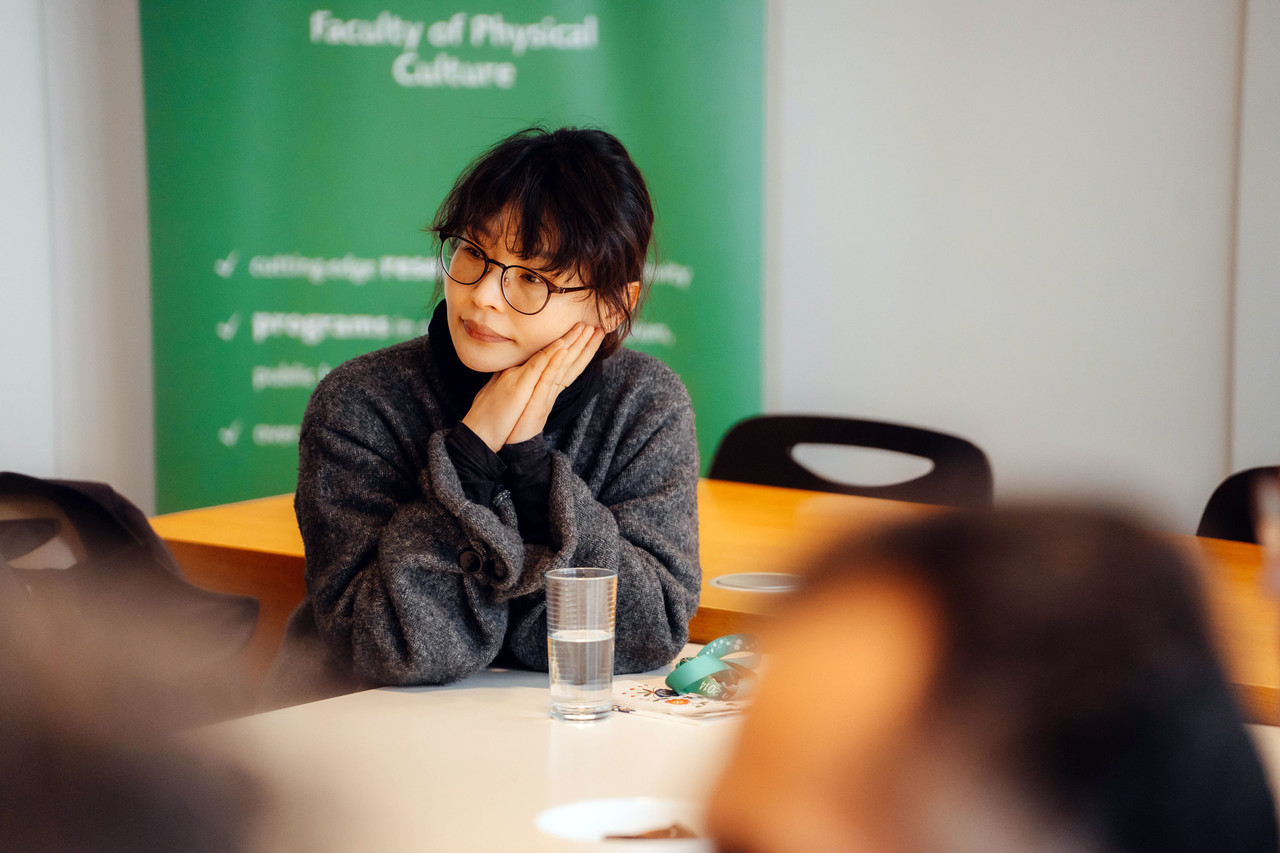
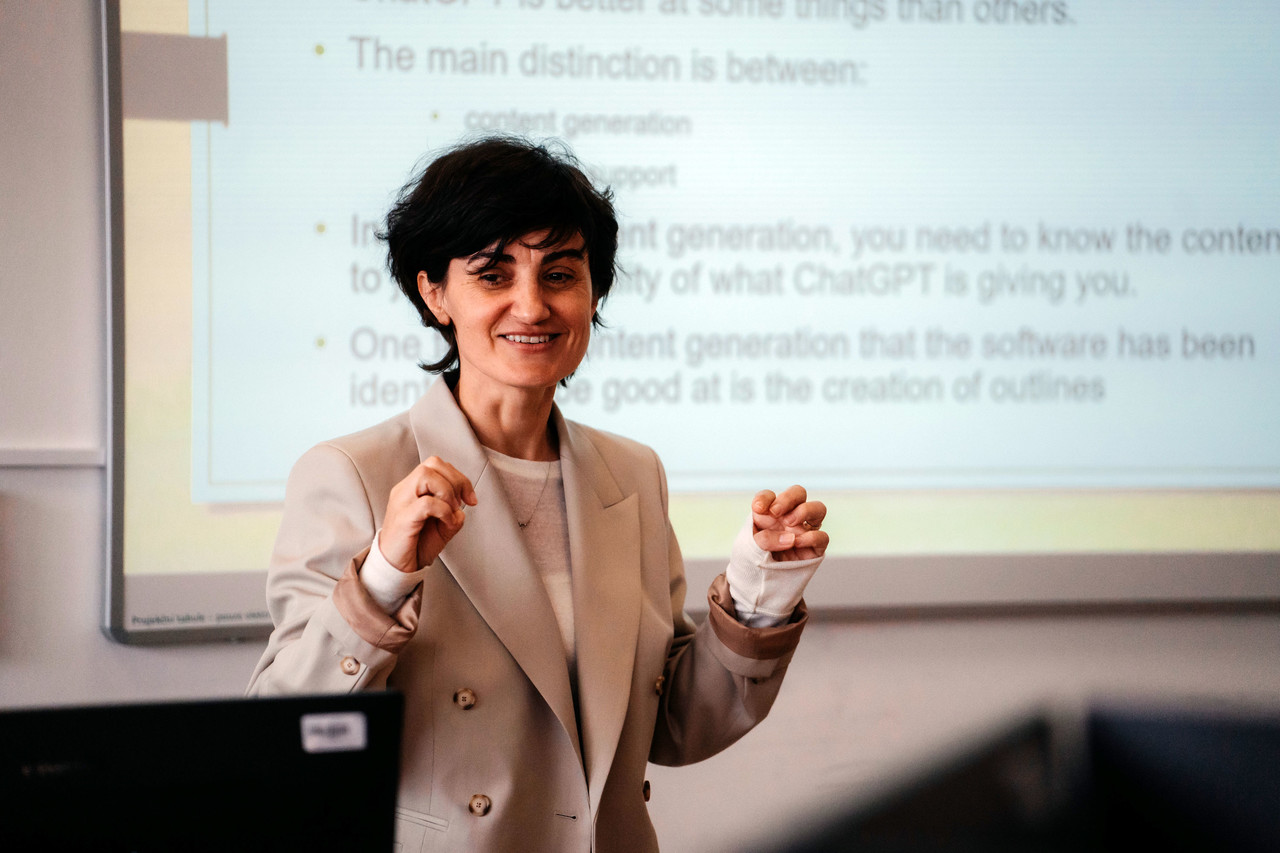
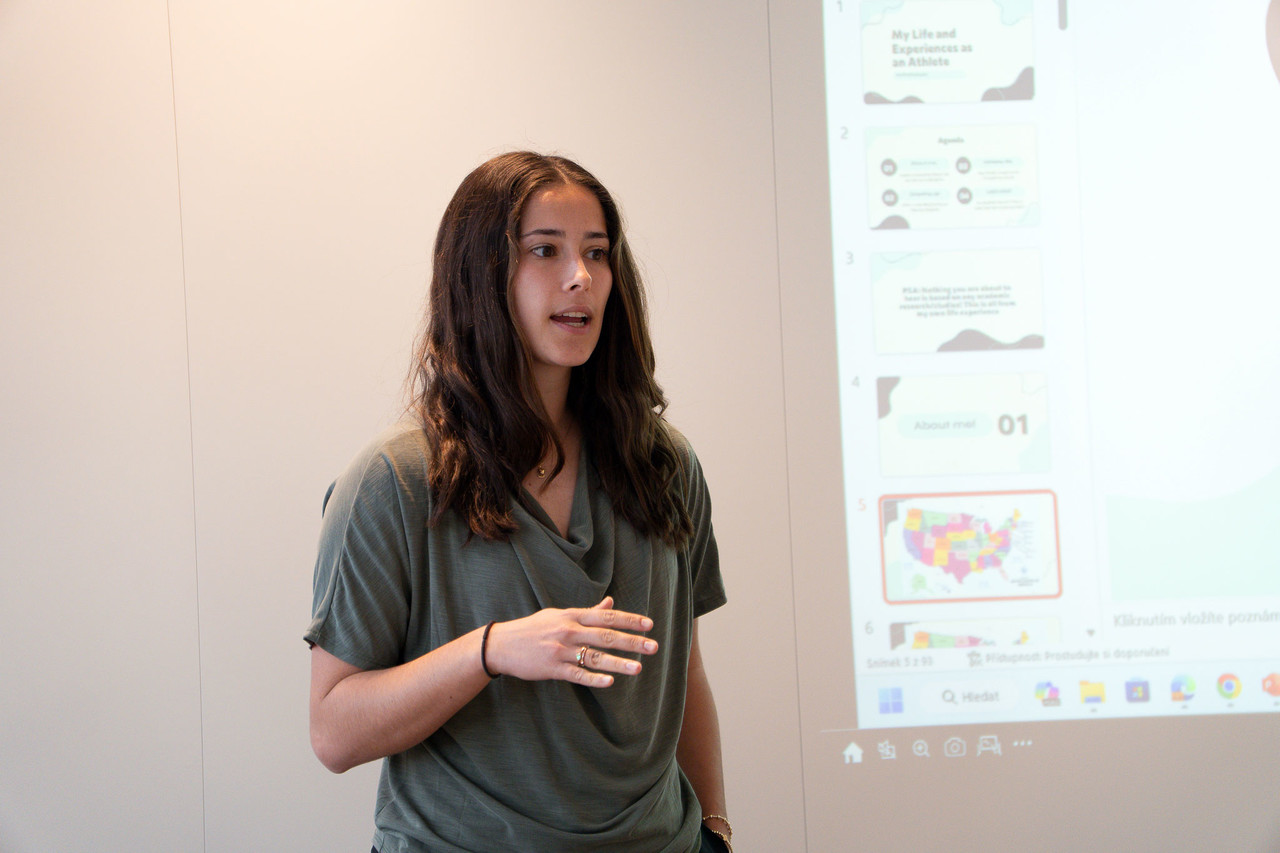
This year, particular attention was given to mental resilience and wellbeing in sport. These topics were explored by Alan Ringland from Ireland, who drew on his experience as a sports coach and psychologist for the Irish Paralympic team. A unique insight into high-performance sport was also offered by Ani Khachadourian, a member of the U.S. Deaf Women’s National team and a gold medalist from the Deaflympics in Japan. The topic of inclusion and high performance was further developed by José Morgado from Portugal, who challenged students with a practical demonstration of performance measurement prompting them to sprint down the faculty hallway. His colleague Catarina Matias engaged students in discussions on nutrition, hydration, and their impact on the body, performance, and wellbeing in sport. Motor skills in sport, rehabilitation, and education were introduced by Dutch professor John van der Kamp, who also collaborated on lectures with our colleague Reza Abdollahipour. Another sport-related topic, this time focusing on pain management in athletic performance, was presented by Magdalena Krygiel-Bartoszewicz from Wrocław, Poland, accompanied by her colleague Gabriela Kolodynska, who led lively discussions with physiotherapy students on pelvic floor health. Additional perspectives ranged from Mary Efraim’s insights into motivation, nutrition psychology, and genetics to Entela Kushta’s take on sport and artificial intelligence. Environmental and climate-related issues were explored by our guest from Azerbaijan, Rovshan Karimov. Finally, American professor Keith E. Lee captivated participants with his insights into the current geopolitical situation.
Throughout the week, both academics and students had the opportunity to take part in highly practical sessions that brought theory directly into practice. Under Alan Ringland’s guidance, participants experienced boccia. Students were also set in motion through belgijka dance session led by Magdalena Krygiel-Bartoszewicz, and Sunwoo Lee from South Korea introduced the increasingly popular sport of pickleball. The opportunity to experience different teaching approaches firsthand remains one of the greatest benefits of International Teaching Week.
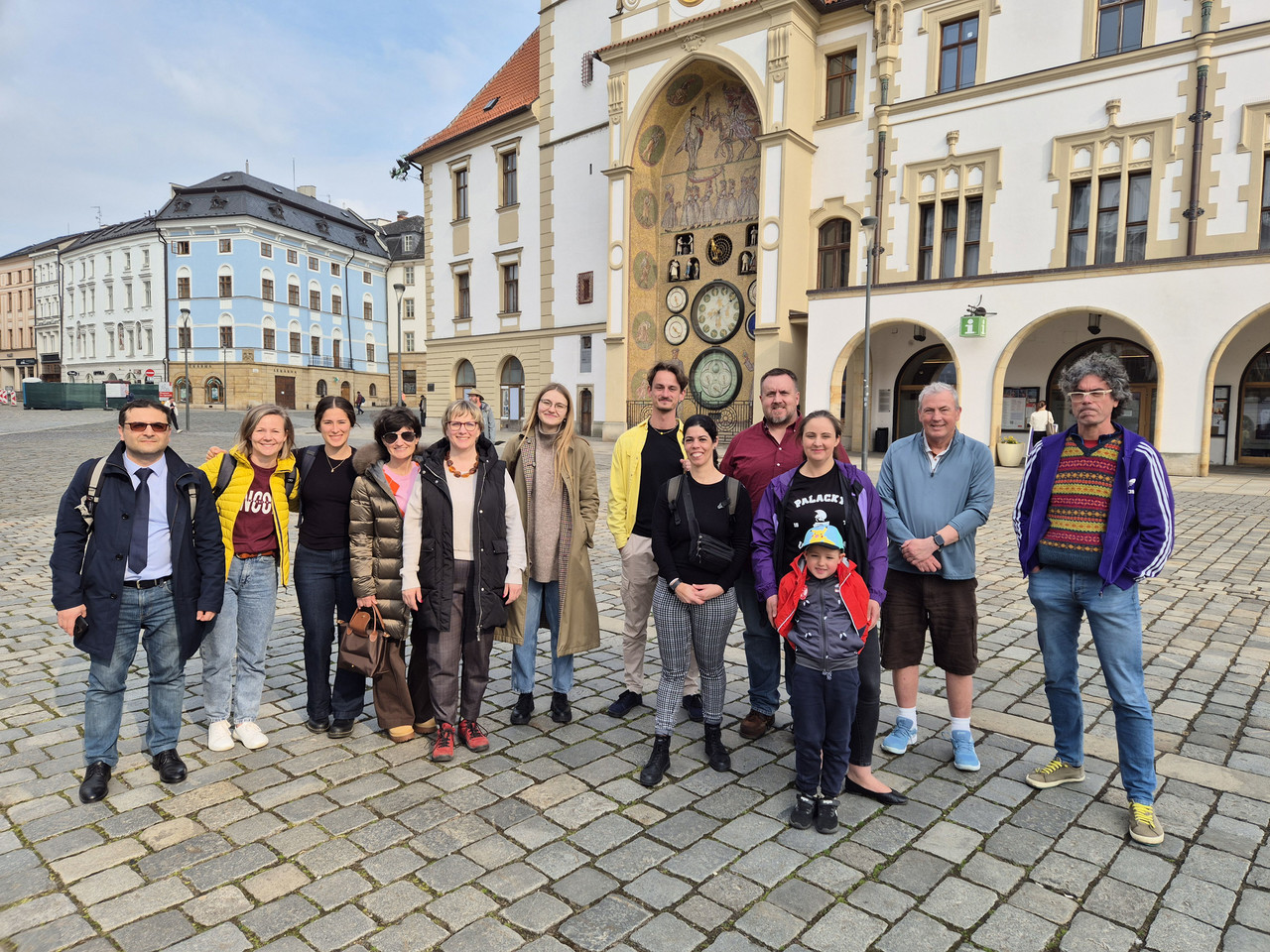
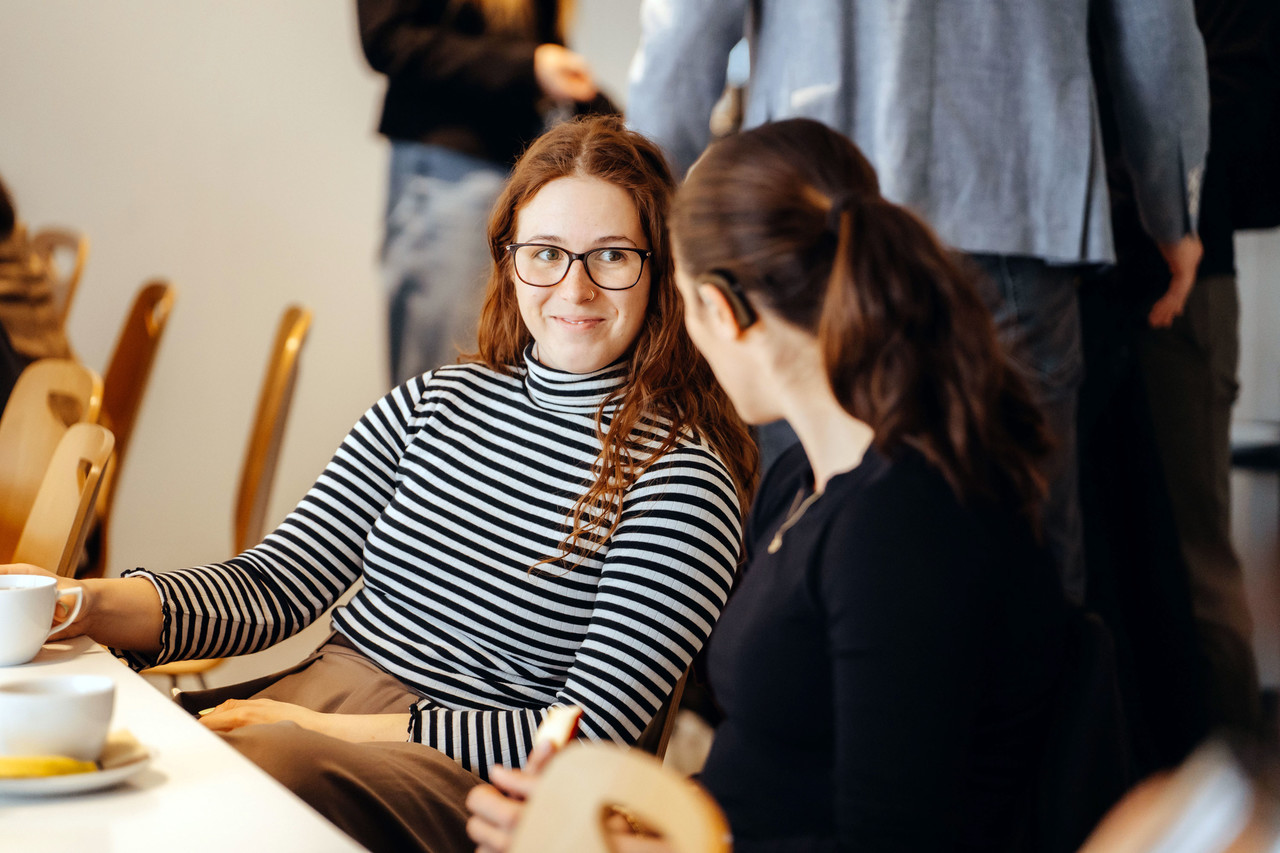
The entire week was also marked by sharing experiences and informal gatherings. Thanks to faculty staff and ambassadors, our guests had the chance to explore local culture and experience the unique atmosphere of our university city. They enjoyed Moravian specialties, a guided tour of Olomouc’s historic centre, and a visit to the BALUO sports centre. The program also included a touch of friendly competition, with Thursday afternoon dedicated to bowling dominated by our Albanian guest Entela.
The spring edition of ITW was especially memorable this year, thanks in part to the strong participation of our guests’ children, who enthusiastically took part not only in the classes but also in the social program. Once again, the faculty demonstrated that quality education in a welcoming environment is accessible to all, regardless of age or nationality. It also reaffirmed that international cooperation holds a firm place at FTK, bringing professional knowledge, inspiration, new connections, and motivation for further development, while adding an important human touch to the academic environment.